CLIENT: North Carolina-based Addiction Treatment Center (OP, IOP, & PHP)
INDUSTRY: Addiction Treatment
CAMPAIGN: Search Engine Optimization (SEO) and Content Marketing
STRATEGY: We performed a thorough audit of the client’s site and two of their top competitors in the North Carolina market in the addiction treatment space to formulate a “blueprint” for executing an SEO program. Based on our assessments, we assembled a plan that incorporated best practice SEO, link development, and content marketing.
Background & Execution
For the last two years, the client had the displeasure of working with four other treatment center marketing agencies that severely underperformed. In fact, the agency prior to Lead to Recovery didn’t even alter the content of the client’s site which, as you may well know, is one of the most critical elements to a successful SEO campaign.
Based on their experiences with other agencies, we totally understood their skepticism and weren’t surprised they responded to us initially as “just another agency” that would make promises and proceed to fail miserably.
After interviewing the client and putting together a plan they ultimately accepted, we proposed starting with website alterations to enhance conversion potential coupled with SEO, link development and ongoing content marketing.
Goals
Results
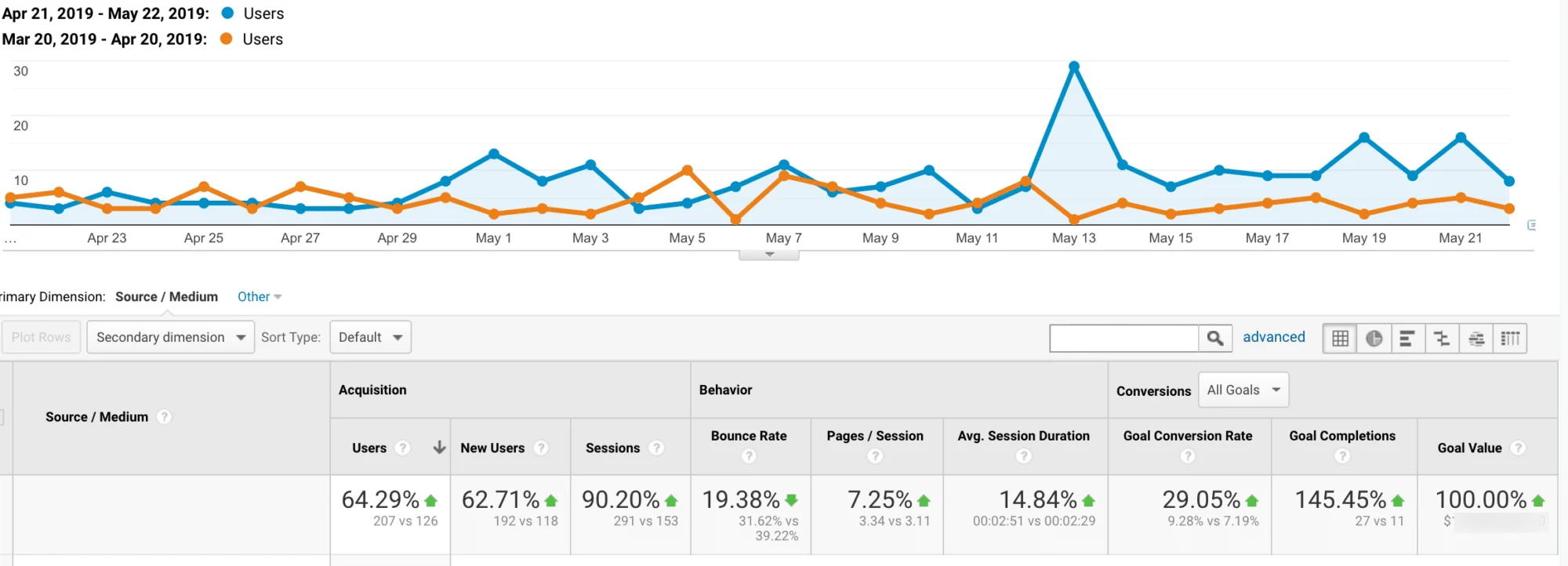
Within the first 60 days of the engagement, the client saw solid growth both in terms of Google organic traffic and inbound phone calls which included 2 attributable admits to their facility based on our work within this timeframe:
Google Organic Traffic & Inbound Phone Calls
The ongoing SEO portion of the project consists of the creation of fresh content via topical blog posts and new site pages as well as sustained link development activities to increase targeted rankings (and traffic) for the main keyword phrase targets.
Conclusion
At Lead to Recovery, we understand there are a lot of treatment centers that have been burned time after time by agencies that promise the stars, but seldom get off the launchpad. Our clients want tangible results. This is why we are constantly tracking the results of any marketing plan we recommend and put into action for our treatment center customers.
After implementing our plan, this client went from the attitude of “just another agency” to a true believer in best practice digital marketing, and we’re only just getting started.
Lead to Recovery has over 90 years of collective digital marketing experience in the healthcare and addiction treatment markets. Whether the goal is to increase inbound calls or form submissions through applicable traffic, a stronger social presence, or a cutting-edge approach to Digital Marketing in general, Lead to Recovery has the experience and knowledge to execute the right campaign for your business. For more information on how to see similar results for your company, call Lead to Recovery at 855-876-7238 and let us drive traffic and admits to your website while improving your bottom line.